
Sabr in the Quran Sharif, meaning in Arabic, refers to patience, endurance, and self-control in Islam. It comes from the Arabic root “ص ب ر,” which means to hold firm and stay strong. This concept explains how believers remain calm during tests. It reflects the Sabr in Islam, meaning the Islamic concept of patience, and the deep importance of Sabr in Islam in daily life.
Life often feels fast and stressful. You may face loss, pressure, or confusion. This is where sabr in the Quran Sharif, meaning in Arabic, becomes powerful. It teaches you to stay steady and trust Allah. Through Quran verses on hardship and patience during trials in Islam, you learn that every difficulty has a purpose. Patience is not weakness. It is strength guided by faith.
When you understand sabr in the Quran Sharif, meaning in Arabic, your mindset begins to change. You start to see tests as growth. The Quran’s guidance on patience and the virtues of patience in Islam help you build strong faith. Many stories of prophets patience in the Quran show real examples. These lessons bring spiritual strength through sabr and lasting peace.
1. Etymology and Root Meaning of the Word Sabr (ص ب ر)
The Arabic term Sabr in the Quran Sharif, meaning in Arabic, comes from the root “ص ب ر,” which means to hold firm and remain steady. It reflects patience, endurance, and self-control in difficult moments. This idea connects deeply with Sabr in Islam, meaning, and shows how believers stay strong through trials and emotional pressure.
In classical Arabic, sabr also means to restrain the soul from panic and complaint. It builds inner discipline and calm thinking. The Islamic concept of patience highlights this root as strength, not weakness. Through Quran guidance on patience, believers learn that sabr shapes character and strengthens faith during life challenges.
2. Importance of Sabr in a Believer’s Life
Sabr shapes a believer’s character in powerful ways. It teaches calmness during stress and builds trust in Allah. The importance of sabr in Islam appears in every stage of life. When you understand Sabr in the Quran Sharif, meaning in Arabic, you learn how to stay firm and hopeful. It connects with the Islamic concept of patience and strengthens your daily actions.
Life brings tests, but sabr helps you face them wisely. It protects your faith and keeps your heart steady. The patience and faith in Islam grow stronger through challenges. By following the Quran guidance on patience, you develop inner peace. This is how sabr becomes a source of strength in difficult moments.
3. Sabr in the Quran: A Complete Overview
The Quran highlights sabr again and again. It shows how patience leads to success and peace. Through the Islamic patience in the Quran, believers learn to trust Allah’s plan. The concept of Sabr in the Quran Sharif, meaning in Arabic, appears in many verses. It teaches endurance and hope in all situations.
These teachings explain the deeper value of patience. They show the virtues of patience in Islam and its rewards. Many Quranic verses about patience in hardship guide believers during trials. The Quran makes it clear that patience is not weakness. It is a path to strength and success.
4. Conjugations and Usage of Sabr in the Quran
The concept of Sabr in the Quran Sharif, meaning in Arabic, appears in many grammatical forms across the Quran. It is used as verbs, nouns, and participles. Each form highlights patience in action, emotion, and belief. This shows the depth of Sabr in Islam, meaning, and its strong connection with daily life guidance for believers.
In different verses, the word sabr shifts to show action or state. Sometimes it commands patience. Other times it describes patient people. This usage strengthens the Islamic concept of patience and reflects the Quran guidance on patience. It also teaches that patience during trials in Islam is not passive but an active faith in Allah’s plan.
5. Different Types of Patience (Sabr) in Islam
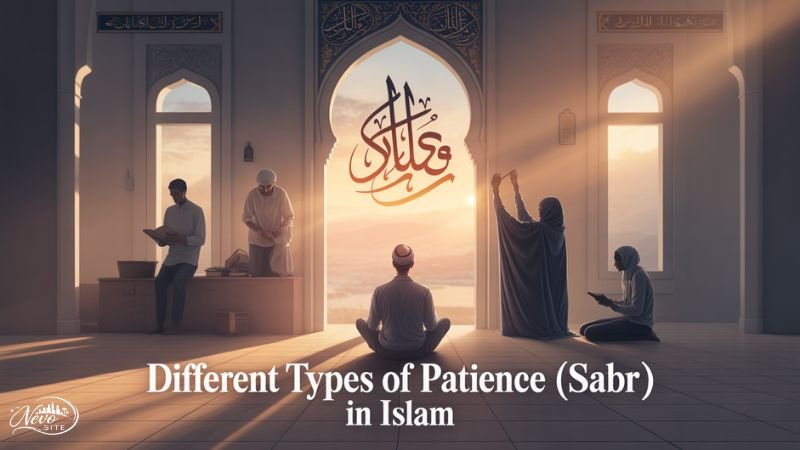
Sabr in Islam has different forms that guide believers in every situation. It connects strongly with sabr in the Quran Sharif, meaning in Arabic. Each type shows how patience works in worship, behavior, and hardship. This understanding builds the Islamic concept of patience and strengthens faith in daily life.
These types also reflect the importance of sabr in Islam and the Quran guidance on patience. They help Muslims stay firm during tests. Through patience during trials, Islam and the virtues of patience in Islam, believers learn balance, control, and trust in Allah’s plan for every situation.
Types of Sabr in Islam:
- Patience in obeying Allah through prayer and worship
- Patience in avoiding sins and wrong actions
- Patience during loss, grief, and personal trials
- Patience in facing daily life challenges with faith
- Patience in controlling anger and emotions
- Patience in financial struggles and hardships
- Patience in waiting for Allah’s timing and wisdom
- Patience in staying firm on truth and righteousness
6. Sabr in Obedience to Allah (Sabr ala al-Ta’ah)
Sabr in obedience means staying firm in worship and duties without delay or laziness. A believer continues prayer, fasting, and good deeds even when life feels busy or tiring. This reflects deep Sabr in Islam, meaning, and strong patience and faith in Islam. It shows real discipline in daily life and spiritual commitment.
When you practice obedience, you strengthen your heart and connection with Allah. It builds consistency and removes weakness from faith. This is a key part of Sabr in the Quran Sharif, meaning in Arabic. It teaches that true patience is an active effort. Through this, believers grow in Islamic teachings on patience and trials.
7. Sabr in Avoiding Sin (Sabr anil Ma’ siyah)
Sabr in avoiding sin means controlling desires and staying away from wrong actions. It is a strong inner struggle against temptation. This reflects the true Islamic concept of patience and builds moral strength. A believer chooses Allah’s pleasure over temporary desires. This is part of Sabr in the Quran Sharif, meaning in Arabic.
This type of patience protects the heart from guilt and darkness. It helps a person stay clean in thoughts and actions. Through this, you understand the value of Quran guidance on patience and the power of self-control. It supports spiritual strength through sabr and improves daily behavior.
8. Sabr During Trials and Hardships (Sabr ala al-Bala)
Sabr during hardship means staying patient in loss, pain, and difficulty. Life tests every believer in different ways. This patience builds trust in Allah and reflects the Quran verses on hardship. It teaches that every trial has wisdom. This is an important part of Sabr in the Quran Sharif, meaning in Arabic.
When difficulties come, a believer stays calm and hopeful. Instead of complaining, they trust Allah’s plan. This develops strong patience during trials, Islam, and emotional strength. It also increases the virtues of patience in Islam and brings peace to the heart even during tough moments.
9. Quranic Verses About Sabr and Patience
The Quran gives clear guidance about patience. It shows how believers should stay strong in hardship. The idea of sabr in the Quran Sharif, meaning in Arabic, appears in many verses. These teachings explain that patience brings peace, reward, and closeness to Allah in every situation of life.
Through Quran verses on hardship and Islamic teachings on patience and trials, believers learn deep lessons. The concept of sabr in the Quran Sharif, meaning in Arabic, also connects with patience and faith in Islam. These verses guide Muslims to stay calm, trust Allah, and remain hopeful during every test.
Quranic Lessons About Sabr
- Patience is rewarded without limit by Allah
- Hardship is always followed by ease and relief
- Allah stays close to those who show patience
- Believers are tested to strengthen their faith
- Sabr leads to success in this life and the next
- Prayer and patience work together in trials
- Losing hope is discouraged in Islamic teachings
- Every difficulty has hidden wisdom from Allah
10. Allah’s Promise for Those Who Show Patience

Allah gives strong hope to believers who stay firm in trials. This is the heart of Sabr in the Quran Sharif, meaning in Arabic. It shows that patience is never wasted. Allah promises reward, mercy, and guidance for those who hold steady during hardship and keep trust in Him.
These promises build faith and calm the heart. Through the Quran’s guidance on patience and the rewards of sabr in the Quran, believers learn that every struggle has value. Life tests are not punishment. Instead, they are steps toward spiritual growth and a stronger connection with Allah.
11. “Indeed Allah is with the patient.”
This powerful message shows Allah’s closeness to patient believers. It connects deeply with Sabr in the Quran Sharif, meaning in Arabic. It means you are never alone in hardship. Allah supports, guides, and protects those who show patience in difficult moments of life.
The verse builds strong hope in the heart. Through Allah and patience, believers and patience during trials in Islam, you understand that help is always near. The presence of Allah gives emotional strength, peace, and courage to face every challenge with faith and calmness.
12. The Reward of Sabr in the Hereafter
Patience in Islam is never lost. Allah promises huge rewards for those who stay firm during trials. This includes comfort, honor, and peace in the afterlife. The reward of sabr shows that every struggle in this world has a greater meaning and purpose in the next life.
The concept of sabr teaches believers to trust Allah fully. When a person remains patient, Allah replaces hardship with eternal blessings. These rewards are far better than anything in this world. Sabr becomes a key to success in the Hereafter and a source of endless mercy and forgiveness.
Rewards of Sabr in the Hereafter
| Aspect of Reward | Description |
| Endless Blessings | Allah gives unlimited reward for patience |
| Entry to Paradise | Patient believers enter Jannah |
| Forgiveness | Sins are forgiven through sabr |
| Peace and Comfort | No pain or sadness in the Hereafter |
| Honor from Allah | High status among righteous believers |
| Eternal Happiness | Everlasting joy and satisfaction |
| Divine Mercy | Special mercy for those who stay patient |
13. Sabr as a Pathway to Paradise
Sabr opens the doors of eternal success in the hereafter. When a believer practices patience, they stay firm during hardship and trust Allah’s plan. This is closely linked with Sabr in the Quran Sharif, meaning in Arabic, which teaches endurance with faith. Through patience, believers gain reward, peace, and spiritual elevation in life and after death.
Paradise is not only a reward but also a result of strong faith and patience. The concept of Islamic concept of patience shows that every struggle has meaning. Allah promises a great reward for those who remain patient. This journey of spiritual strength through sabr leads believers toward Jannah with honor, mercy, and everlasting peace.
14. Sabr and the Love of Allah
Allah loves those who show patience in all situations. When a believer stays calm and trusts Allah, it reflects true submission. This is deeply connected with the importance of sabr in Islam and builds a strong bond between servant and Creator. Patience becomes a sign of sincere faith and devotion.
Through the Quran guidance on patience, we learn that Allah is always near the patient. Hardships become a means of drawing closer to Him. The idea of Allah and patient believers shows divine love and support. Sabr transforms struggles into blessings and strengthens the heart with hope and spiritual comfort.
15. How Sabr Strengthens Faith (Iman)
Faith becomes stronger when a believer practices patience during trials. Sabr teaches trust in Allah’s wisdom and removes fear from the heart. This connects with patience and faith in Islam, where every test increases belief. Difficult moments become opportunities for growth and a deeper understanding of Allah’s plan.
The meaning of Sabr in Islam shows that patience is not weakness but strength. It builds inner stability and confidence in faith. Through Quran verses on hardship, believers learn that ease follows difficulty. This strengthens Iman and helps the heart stay firm, calm, and connected with Allah.
16. Sabr in the Quran Sharif, meaning in Arabic
Sabr in the Quran Sharif, meaning in Arabic, refers to patience, endurance, and self-control in Islam. It teaches believers to stay calm during trials and trust Allah’s plan. This idea is deeply connected with Sabr in Islam, meaning the Islamic concept of patience, and the importance of Sabr in Islam, which guides believers in every challenge of life.
The concept of sabr in the Quran Sharif, meaning in Arabic, helps you understand how faith grows through hardship. It connects with Quran guidance on patience, patience during trials in Islam, and Quran verses on hardship. Through patience, believers gain peace, strength, and trust in Allah’s wisdom in both easy and difficult times.
Points about Sabr in the Quran Sharif: Meaning in Arabic
- Sabr means patience, endurance, and inner strength in Islam
- It is deeply explained in the Quran guidance on patience
- Believers use sabr during tests and life difficulties
- It strengthens patience and faith in Islam
- Sabr helps control emotions and anger
- It is part of Islamic teachings on patience and trials
- It leads to reward and success from Allah
- It builds spiritual strength and calmness in the heart
17. Sabr as a Key to Leadership in Islam
Leadership in Islam requires patience, wisdom, and self-control. A true leader handles challenges without losing balance. This reflects the Islamic teachings on patience and trials, where sabr becomes a foundation of justice and responsibility. Leaders with patience guide others with fairness and strong moral character.
The concept of Quran verses about patience and success shows that patient leaders achieve a lasting impact. Sabr helps in decision-making under pressure. It builds respect and trust among people. Through the importance of sabr for Muslims’ lives, leadership becomes not only power but also service, compassion, and guidance.
18. Sabr and the Stories of the Prophets in the Quran
The Quran presents powerful lessons through the lives of the prophets who showed deep patience. These stories reflect Sabr in the Quran Sharif, meaning in Arabic as strength during hardship. They guide believers to trust Allah and stay firm. Through these examples, you understand Islamic teachings on patience and trials and real faith in action.
Moreover, each Prophet faced unique struggles yet remained steady. This builds understanding of stories of patience in the Quran and strengthens belief in Allah’s plan. Their journeys teach that patience is not weakness. Instead, it is spiritual strength through sabr that leads to success, peace, and reward in both worlds.
19. The Patience of Prophet Ayyub (AS)
Prophet Ayyub (AS) is one of the greatest examples of patience in Islam. His story deeply reflects Sabr in the Quran Sharif, meaning in Arabic, during extreme suffering. He lost health, wealth, and family, yet never complained. This shows true patience during trials, Islam, and complete trust in Allah’s wisdom.
Despite severe pain, Prophet Ayyub (AS) remained grateful and patient. He turned only to Allah in hardship. This teaches the value of the benefits of patience in Islam Quran and strengthens faith. His story reminds believers that Quran verses about patience in hardship always bring hope, healing, and divine reward.
20. Hadiths on the Virtues of Sabr in Islam
Hadiths on patience show how important sabr is in Islam. The Prophet ﷺ taught that patience is a light for believers. It helps a person stay calm during hardship. These teachings connect strongly with the importance of sabr in Islam and guide Muslims to trust Allah in every situation with strong faith and hope.
Many hadiths explain the great rewards of patience in simple ways. They remind believers that every difficulty has meaning. The Prophet ﷺ encouraged believers to stay firm and avoid panic. This reflects the beauty of Islamic teachings on patience and trials and shows how sabr builds strong character in daily life.
Some key teachings from Hadith include:
- Patience brings light and guidance in difficult times
- Allah rewards those who remain patient without measure
- True strength is controlling anger during hardship
- Every trial removes sins when faced with sabr
- Patience leads to closeness with Allah and inner peace
21. The Patience of Prophet Yusuf (AS)
The story of Prophet Yusuf (AS) shows deep Sabr in the Quran Sharif, meaning in Arabic, through trials and trust in Allah. He faced betrayal, slavery, and prison, yet he never lost faith. His journey reflects patience during trials, Islam, and the Islamic concept of patience in real-life struggles.
Despite injustice, Yusuf (AS) stayed calm and hopeful. He trusted Allah’s plan even in darkness. Later, Allah raised him to honor and power. This teaches the importance of sabr in Islam and the stories of the prophets’ patience in the Quran. His life shows how patience leads to success and dignity.
22. The Patience of Prophet Yaqub (AS)
Prophet Yaqub (AS) displayed strong Sabr in the Quran Sharif, meaning in Arabic, when he lost his beloved son Yusuf (AS). His heart was full of grief, yet he never complained. He practiced patience and faith in Islam and trusted Allah’s wisdom during painful separation.
He often said, “Beautiful patience,” showing deep trust in Allah’s plan. His sorrow never weakened his belief. This reflects the Quran guidance on patience and teaches the benefits of patience in Islam. His story proves that true sabr brings hope even in deep emotional pain.
23. The Patience of Prophet Muhammad ﷺ
The life of Prophet Muhammad ﷺ shows the deepest example of Sabr in the Quran Sharif, meaning in Arabic. He faced rejection, insults, and hardship in Makkah. Yet, he stayed calm and trusted Allah completely. This reflects Islamic teachings on patience and trials and the true importance of sabr in Islam for every believer.
Despite all struggles, he never lost hope or kindness. Instead, he forgave enemies and prayed for guidance. His patience built strong faith in followers. This is clear proof of the stories of prophets patience in the Quran and real patience during trials in Islam, showing how spiritual strength through sabr changes hearts.
24. How Sabr Builds Inner Strength and Resilience
Understanding Sabr in the Quran Sharif, meaning in Arabic, helps you grow mentally and spiritually. It teaches you to stay strong during stress, loss, or pressure. This quality improves your mindset and connects deeply with the Quran guidance on patience and the true benefits of patience in Islam.
When you practice sabr daily, your heart becomes stronger. You handle problems with calmness instead of fear. This builds emotional balance and resilience in life. It reflects patience and faith in Islam and shows how Quran verses about patience and success guide believers toward strength and stability.
25. Practical Ways to Develop Sabr in Daily Life
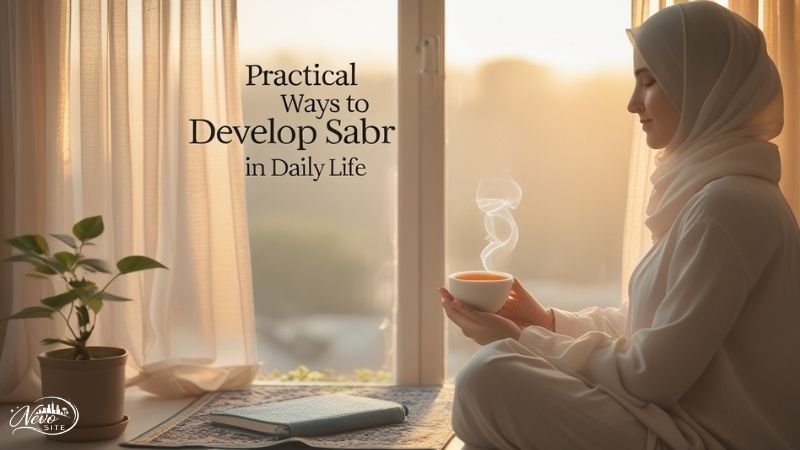
Building patience starts with understanding sabr in the Quran Sharif, meaning in Arabic, in daily actions. You train your heart through small habits like calm speech and controlled reactions. This reflects how to develop patience in Islam and strengthens your link with the Quran’s guidance on patience and emotional balance.
When you apply sabr daily, life becomes easier to manage. You respond with wisdom instead of anger. This reflects patience in Islam during difficult times and supports Islamic teachings on patience and trials. Over time, it builds true spiritual strength through sabr and inner peace in every situation.
Practical Steps to Develop Sabr in Daily Life
- Start your day with sincere prayer and calm intention
- Practice deep breathing before reacting to stress
- Read and reflect on Quran verses on hardship daily
- Control anger by staying silent for a few moments
- Make dua regularly for strength and patience
- Avoid negative environments that trigger impatience
- Remember the reward of patience in Islam during struggles
- Reflect on the stories of the prophets’ patience in the Quran for motivation
26. Role of Dua and Dhikr in Strengthening Patience
Dua and Dhikr play a powerful role in building inner calm during trials. When a believer remembers Allah, the heart becomes steady and peaceful. This practice strengthens Sabr in the Quran Sharif, meaning in Arabic, and helps control emotions in hard moments. It connects faith with daily struggles in a simple and natural way.
Through constant remembrance, a person develops deep trust in Allah’s plan. This trust builds spiritual strength through sabr and improves patience in difficult situations. Dhikr softens the heart and reduces stress. It also supports patience during trials in Islam, making the believer stronger, calmer, and more focused on faith in everyday life.
Conclusion
Sabr is not just patience but a complete way of life in Islam. It teaches believers to stay firm, hopeful, and faithful in every situation. The concept of Sabr in the Quran Sharif, meaning in Arabic, shows that real strength comes from trust in Allah and not from worldly power or control.
In the end, Sabr builds a strong spiritual foundation for every believer. It connects with the importance of sabr in Islam and reflects true patience and faith in Islamic teachings. With sabr, hardships turn into blessings, and life becomes a journey of growth, peace, and closeness to Allah.
FAQs
What does Sabr in Quran Sharif, meaning in Arabic, mean in Arabic in Islam?
Sabr means patience, self-control, and trust in Allah during all situations. It is not passive waiting but active strength. It reflects the Islamic concept of patience and builds strong faith in daily life challenges.
Why is Sabr important in Islam?
Sabr is important because it helps believers stay strong during hardship and trials. It connects with the importance of sabr in Islam and teaches calmness, discipline, and trust in Allah’s plan in every situation.
How does the Quran explain sabr?
The Quran describes sabr as a key quality of believers. It appears in many verses about trials and rewards. This shows the Quran’s guidance on patience and highlights its deep spiritual value.
What are the types of sabr in Islam?
Sabr has three main types: obedience to Allah, avoiding sin, and patience in hardship. These forms build patience and faith in Islam and guide the daily behavior of Muslims.
How does sabr help during hard times?
Sabr gives strength during pain, loss, or stress. It brings peace to the heart and reflects patience during trials in real-life situations where emotions are high.
What rewards does Sabr bring in Islam?
Allah promises great rewards for patient people, including forgiveness and Paradise. This reflects the rewards of sabr in the Quran and motivates believers to stay firm in faith.
How do prophets show patience in the Quran?
Prophets like Ayyub, Yusuf, and Yaqub showed strong patience during trials. These are stories of patience in the Quran that guide believers in real-life struggles.
How does sabr improve daily life?
Sabr reduces stress and builds emotional balance. It strengthens character and reflects spiritual strength through sabr in everyday actions and decisions.
What challenges affect Sabr today?
Modern life, stress, and distractions make patience difficult. These issues weaken the Quran’s verses on hardship understanding and reduce focus on faith-based living.
How can a person develop sabr?
Sabr can be developed through prayer, remembrance of Allah, and self-control. It explains how to develop patience in Islam and builds a peaceful, strong personality.

Written by Saeeda Gull Welcome to Neto Site! I am Saeeda Gull, a SEO Content Writer and SEO specialist.With over 1 year of experience, I create meaningful, engaging, and high-quality digital content that connects with readers and ranks well online.