
The phrase Taqabbalallahu Minna Wa Minkum Saleh Al-Amal refers to a beautiful Islamic dua. It means “May Allah accept righteous deeds from you and from you.” This full expression adds depth compared to the shorter version. Many learners explore the meaning of Taqabbalallahu Minna Wa Minkum Saleh Al-Amal to understand its spiritual value and purpose.
Have you ever paused and thought about what Taqabbalallahu Minna Wa Minkum means when “Saleh Al-Amal” is added? It becomes more powerful and meaningful. It is often used in Islamic Eid dua phrases. Muslims share it to express love, care, and prayers for acceptance. It also reflects unity during special occasions like Eid.
You may wonder how to say Taqabbalallahu Minna Wa Minkum properly in daily life. This phrase is commonly used after prayers and celebrations. It connects to the idea of a dua for acceptance of good deeds in Islam. Learning it helps you use meaningful words that carry both faith and kindness.
1. What Does Taqabbalallahu Minna Wa Minkum Mean?
The phrase Taqabbalallahu Minna Wa Minkum Saleh Al-Amal means “May Allah accept from you and from you.” It is a heartfelt dua shared during Eid. Many people search for Taqabbalallahu Minna Wa Minkum to understand its message of unity and faith. It reflects care and mutual prayer.
If you ask what Taqabbalallahu Minna Wa Minkum means, think of it as a spiritual greeting. It is more than words. It is an Arabic dua for acceptance of deeds. This phrase reminds Muslims to seek Allah’s approval after worship.
2. Full Meaning of “Taqabbalallahu Minna Wa Minkum Saleh Al-Amal.”
The full phrase adds depth by including “Saleh Al-Amal,” which means righteous deeds. The meaning of Taqabbalallahu Minna Wa Minkum Saleh Al-Amal highlights good actions done sincerely. It turns a simple greeting into a meaningful prayer.
Many wonder what the meaning of Saleh Al-Amal is in this context. It refers to actions that please Allah. This makes the phrase part of Islamic Eid dua phrases. It encourages believers to stay mindful of their deeds.
3. Word-by-Word Meaning in Arabic
Breaking the phrase into parts helps understanding. The Taqabbalallahu Minna Wa Minkum in Arabic includes simple words with deep meaning. Each word adds to the beauty of the dua and its purpose.
Taqabbal means accept. Minna means from us. Wa minkum means and from you. Saleh Al-Amal means righteous deeds. This breakdown helps with how to say Taqabbalallahu Minna Wa Minkum correctly and clearly.
4. Arabic Writing of Taqabbalallahu Minna Wa Minkum
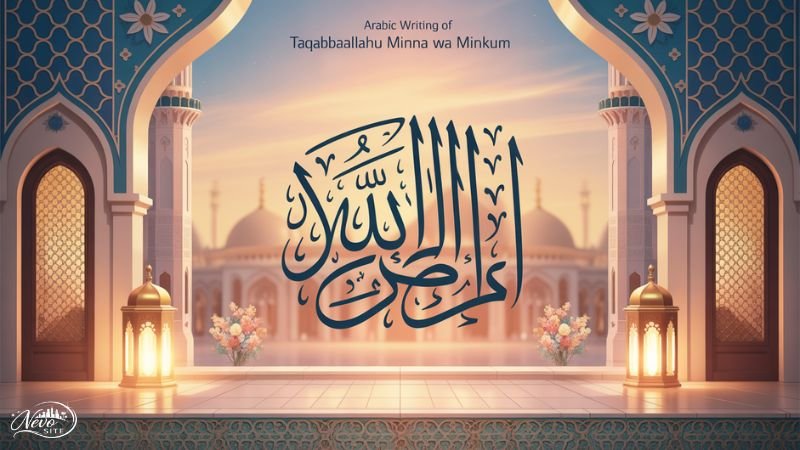
The phrase is written as تَقَبَّلَ اللهُ مِنَّا وَمِنكُم صالح الأعمال. This is the correct form used in Islamic texts. Learning how to write Taqabbalallahu Minna Wa Minkum in Arabic improves accuracy and confidence.
Understanding the script also connects you with the Arabic Eid greetings’ meaning. It helps you use the phrase properly. This makes your Taqabbalallahu Minna Wa Minkum Saleh Al-Amal greeting more authentic and meaningful.
5. Correct Pronunciation Guide (With Easy Breakdown)
Learning the correct sound of Taqabbalallahu Minna Wa Minkum Saleh Al-Amal is very important. The proper Taqabbalallahu Minna Wa Minkum pronunciation is: Ta-qab-ba-lal-la-hu min-na wa min-kum. Each part should be spoken slowly and clearly. This helps keep the meaning accurate and respectful.
If you are asking how to pronounce Taqabbalallahu Minna Wa Minkum, focus on the double “b” sound in “taqabbal.” Practice daily to improve fluency. Using the correct Arabic pronunciation of Taqabbalallahu makes your dua more meaningful and easier to understand.
6. Common Pronunciation Mistakes to Avoid
Many people make small errors while saying Taqabbalallahu Minna Wa Minkum Saleh Al-Amal. One common mistake is saying “taqabal” instead of “taqabbal.” This changes the sound and weakens the meaning. These are known as common mistakes in Arabic dua pronunciation.
Another mistake is skipping syllables or rushing the phrase. This affects clarity and respect. Paying attention to detail improves your confidence. Avoiding such errors helps preserve the beauty of this Arabic dua for acceptance of deeds.
7. Linguistic Roots and Grammar Explanation
The phrase comes from the Arabic root “Q-B-L,” which means to accept. This root forms the word “taqabbal,” which is a request for acceptance. The Taqabbalallahu dua explanation shows how language and meaning are deeply connected.
Understanding grammar helps you use the phrase correctly. It also improves your use of Islamic Eid dua phrases in daily life. Simple knowledge of roots makes learning Arabic easier and more enjoyable.
8. Origin of Taqabbalallahu Minna Wa Minkum in Hadith
The phrase Taqabbalallahu Minna Wa Minkum Saleh Al-Amal comes from the practice of the companions. They used it to greet each other during Eid. Scholars confirmed this narration as authentic.
Many people ask for Taqabbalallahu Minna Wa Minkum from the Quran. It is not directly in the Quran. It comes from the Hadith and is part of the Sunnah Eid greetings in Islam. This gives it strong religious value and importance.
9. Practice of the Sahaba (Companions)
The companions used Taqabbalallahu Minna Wa Minkum Saleh Al-Amal during Eid. They greeted each other with this dua after prayer. This shows a strong example of Sunnah Eid greetings in Islam. Their practice teaches unity and sincerity.
Many scholars mention this habit as a noble tradition. It answers the question is Taqabbalallahu Minna Wa Minkum Sunnah in a practical way. Following the companions helps preserve authentic Islamic customs and strengthens community bonds.
10. Imam Ahmad’s Opinion on This Greeting
Imam Ahmad supported using this phrase as an Eid greeting. He considered it permissible and meaningful. His opinion adds strength to the use of Taqabbalallahu Minna Wa Minkum Saleh Al-Amal in daily life.
Scholars respect this view because it aligns with early practices. It also connects to Islamic Eid dua phrases used by Muslims worldwide. This approval makes the greeting widely accepted and trusted.
11. Is Taqabbalallahu Minna Wa Minkum Mentioned in the Quran?
The phrase is not directly found in the Quran. However, its meaning exists in many verses about acceptance. This supports the idea behind the Arabic dua for acceptance of deeds in Islam.
Many people ask for Taqabbalallahu Minna Wa Minkum from the Quran. The answer is no, but it comes from authentic traditions. This gives it strong value even without direct Quranic mention.
12. Spiritual Meaning and Importance in Islam
The phrase carries deep spiritual meaning. It reminds Muslims that acceptance matters more than actions alone. Saying Taqabbalallahu Minna Wa Minkum Saleh Al-Amal builds humility and faith.
It also explains why Muslims say Taqabbalallahu on Eid. The goal is to seek Allah’s pleasure. This dua strengthens hearts and encourages good deeds throughout life.
13. Cultural Importance During Eid Celebrations
During Eid, people greet each other with Taqabbalallahu Minna Wa Minkum Saleh Al-Amal to share joy and faith. This tradition builds strong community ties. It reflects the importance of Eid greetings in Islam and keeps Islamic values alive in daily life.
In many cultures, this phrase is part of family gatherings and social visits. It also appears in messages and calls. These practices show how Islamic Eid dua phrases bring people closer and spread kindness during celebrations.
14. Why Muslims Say This After Ramadan and Hajj
After Ramadan, Muslims hope their fasting and prayers are accepted. Saying Taqabbalallahu Minna Wa Minkum Saleh Al-Amal expresses this hope. It answers the question of what to say after Ramadan fasting in a meaningful way.
Similarly, pilgrims use it after Hajj. It reflects gratitude and completion of worship. This connects with the idea of a dua for acceptance of good deeds in Islam, reminding believers to stay sincere.
15. Benefits of Saying Taqabbalallahu Minna Wa Minkum
This phrase brings spiritual and social benefits. It strengthens relationships and spreads positivity. The Taqabbalallahu Minna Wa Minkum benefits include unity, love, and mutual respect among Muslims.
It also highlights the benefits of Islamic greetings in everyday life. Simple words can create deep emotional connections. This makes the dua valuable beyond just Eid celebrations.
16. When to Say Taqabbalallahu Minna Wa Minkum
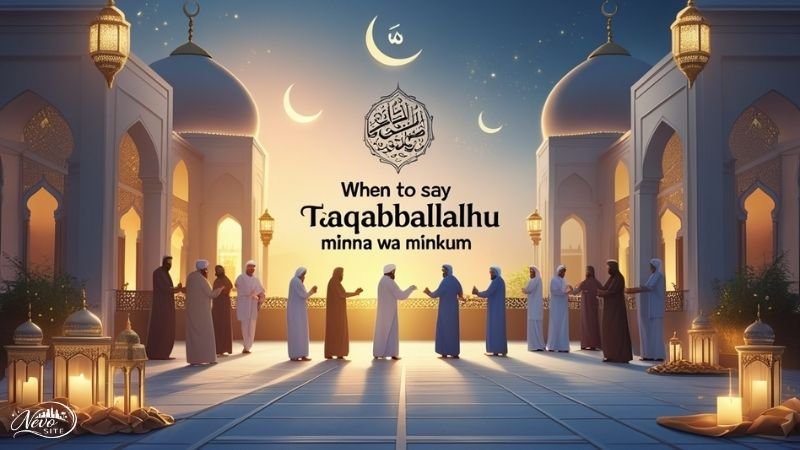
The best time to say Taqabbalallahu Minna Wa Minkum Saleh Al-Amal is on Eid day. It is often said after prayer and during greetings. This helps answer when to say Taqabbalallahu Minna Wa Minkum clearly.
You can also use it after acts of worship. It fits both formal and casual settings. Using it at the right time keeps its meaning strong and respectful.
17. Best Occasions to Use This Dua
The dua Taqabbalallahu Minna Wa Minkum Saleh Al-Amal is best used during Eid celebrations. It is common on Eid al-Fitr and Eid al-Adha. These are key moments for sharing Islamic Eid dua phrases with loved ones.
It is also used after completing good deeds. This includes fasting or prayer. These moments reflect why Muslims say Taqabbalallahu on Eid and show a desire for acceptance.
18. Where and How to Use It Properly
You can say Taqabbalallahu Minna Wa Minkum Saleh Al-Amal at home, in mosques, or during gatherings. It also works well in messages and calls. Learning how to say Taqabbalallahu Minna Wa Minkum helps you use it naturally.
Using it properly means saying it with sincerity. It fits both formal and informal settings. This makes it one of the most useful Islamic phrases for Eid today.
19. Proper Etiquette While Saying It
Good manners matter when using this dua. Speak gently and clearly. Show respect and kindness when saying Taqabbalallahu Minna Wa Minkum Saleh Al-Amal.
Following etiquette reflects the importance of Eid greetings in Islam. It also strengthens relationships. Simple actions like smiling make your greeting more meaningful.
20. How to Respond to Taqabbalallahu Minna Wa Minkum

When someone says this phrase, you should reply kindly. You can repeat the same words or say Ameen. This shows mutual prayer and respect.
If you wonder how to respond to Taqabbalallahu Minna Wa Minkum, keep it simple. Your reply should reflect sincerity. This keeps the spirit of the dua alive.
21. Best Replies with Meanings (Ameen, Wa Iyyakum, etc.)
When someone says Taqabbalallahu Minna Wa Minkum Saleh Al-Amal, you can reply with kind words. Common replies include Ameen, Wa Iyyakum, or Khair Mubarak. These responses reflect respect and shared prayer. They are part of traditional Taqabbalallahu Minna Wa Minkum reply practices.
Each reply carries a simple meaning. Ameen means “May Allah accept.” Wa Iyyakum means “And from you as well.” These responses are widely used in Islamic Eid dua phrases and help maintain the beauty of Eid greetings.
22. Response Examples in Real-Life Situations
In real life, people use this phrase during gatherings. For example, after Eid prayer, someone says Taqabbalallahu Minna Wa Minkum Saleh Al-Amal, and you reply “Ameen, Wa Iyyakum.” This shows warmth and connection.
These examples of Taqabbalallahu Minna Wa Minkum in sentences help you understand practical use. You can also use it in messages or calls. It fits easily into daily communication during Eid.
23. Additional Beautiful Islamic Responses
There are other lovely replies you can use. Phrases like BarakAllahu Feek and Khair Mubarak add variety. These are part of broader Eid greetings in Arabic with meaningful traditions.
Using different replies keeps conversations natural. It also reflects knowledge of Islamic phrases for Eid. This makes your communication more meaningful and engaging.
24. Examples of Taqabbalallahu Minna Wa Minkum in Sentences
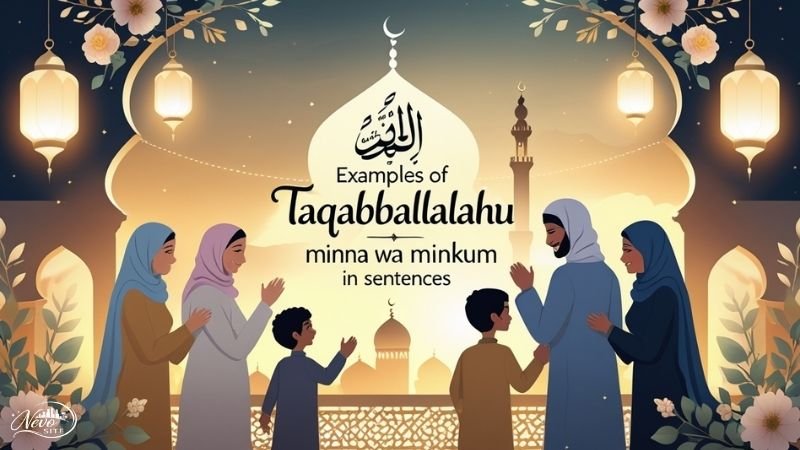
You can use this phrase in many ways. For example, after prayer, you greet someone warmly. You might say Taqabbalallahu Minna Wa Minkum Saleh Al-Amal with a smile.
These examples improve fluency and confidence. They also show how the phrase fits daily life. This supports learning through real situations and builds a better understanding.
25. Common Mistakes in Usage (Cultural & Practical)
Some people use the phrase at the wrong time. It should be used mainly during Eid or after worship. Misuse can reduce its value and meaning.
Another mistake is confusion with Eid Mubarak. Understanding the difference between Eid Mubarak and Taqabbalallahu helps avoid errors. This keeps your usage correct and respectful.
26. Differences Between Eid Mubarak and Taqabbalallahu Minna Wa Minkum
Eid Mubarak is a simple greeting. It means “Blessed Eid” and spreads happiness. In contrast, Taqabbalallahu Minna Wa Minkum Saleh Al-Amal is a dua. It asks Allah to accept good deeds. This shows the clear difference between Eid Mubarak and Taqabbalallahu.
Both phrases can be used together. One celebrates, while the other دعا seeks acceptance. These are part of Eid greetings in Arabic with meaning. Using both makes your greeting complete and meaningful.
27. Can You Say It to Non-Muslims? (Islamic View)
Scholars have different views on this topic. Some allow saying Taqabbalallahu Minna Wa Minkum Saleh Al-Amal to non-Muslims with good intentions. Others suggest using general greetings instead. The question of whether I can say Taqabbalallahu to non Muslims depends on context.
In diverse places like the USA, respectful communication matters. You can choose words that show kindness and clarity. This reflects the spirit of Islamic phrases for Eid while maintaining good relations with others.
Conclusion
The phrase Taqabbalallahu Minna Wa Minkum Saleh Al-Amal holds deep meaning. It connects faith with daily life. It reminds Muslims to seek acceptance after every good deed. This reflects the essence of the Arabic dua for acceptance of deeds.
Using this dua builds unity and kindness. It highlights the importance of Eid greetings in Islam. Simple words can carry powerful meaning. This makes the phrase a beautiful part of every Eid celebration.
FAQs
What does Taqabbalallahu Minna Wa Minkum Saleh Al-Amal mean?
The Taqabbalallahu Minna Wa Minkum meaning is “May Allah accept righteous deeds from us and you,” a powerful Arabic dua for acceptance of deeds.
Is Taqabbalallahu Minna Wa Minkum from the Quran?
No, is Taqabbalallahu Minna Wa Minkum from the Quran is often asked, but it comes from Hadith and is part of Sunnah Eid greetings in Islam.
When should you say this phrase?
Many ask when to say Taqabbalallahu Minna Wa Minkum; it is best used on Eid or after worship as an Islamic greeting after Eid prayer.
How do you pronounce Taqabbalallahu Minna Wa Minkum correctly?
If you wonder how to pronounce Taqabbalallahu Minna Wa Minkum, focus on clear syllables and follow the correct Arabic pronunciation of Taqabbalallahu.
What is the meaning of Saleh Al-Amal in the phrase?
People ask what the meaning of Saleh Al-Amal is; it means righteous deeds, forming part of the dua for acceptance of good deeds in Islam.
How should you respond to this greeting?
For how to respond to Taqabbalallahu Minna Wa Minkum, reply with Ameen or the same phrase as part of Taqabbalallahu Minna Wa Minkum reply etiquette.
What is the difference between Eid Mubarak and this phrase?
The difference between Eid Mubarak and Taqabbalallahu is that one is a greeting, while the other is a dua within Islamic Eid dua phrases.
Can you say this phrase to non-Muslims?
If you ask, can I say Taqabbalallahu to non-Muslims? Opinions vary, but kindness and clarity are key in Islamic phrases for Eid.
What are the common mistakes when saying this dua?
Common errors include mispronunciation, one of the common mistakes in Arabic dua pronunciation, which can affect the Taqabbalallahu Minna Wa Minkum pronunciation.
Why do Muslims say this phrase on Eid?
People often ask why Muslims say Taqabbalallahu on Eid; it reflects gratitude, unity, and the importance of Eid greetings in Islam.

Written by Saeeda Gull Welcome to Neto Site! I am Saeeda Gull, a SEO Content Writer and SEO specialist.With over 1 year of experience, I create meaningful, engaging, and high-quality digital content that connects with readers and ranks well online.